
LSLR Planning Resources
About Lead Service Line Replacement Program Planning
The United States Environmental Protection Agency (EPA) published the Lead and Copper Rule Improvement (LCRI) to the federal register on October 30, 2024. As part of the LCRI, every water system must develop a Service Line Replacement Plan (SLRP) to replace every lead and galvanized requiring replacement (GRR) service line, including those on private property, that they can obtain access and control of by December 31, 2037.
Water systems where a portion, or all, of the service line is owned by private customers face challenges related to establishing a program that includes full replacement. Water systems face challenges working on private property, especially when state or local laws do not specifically allow for work on private property, or do not allow the use of public money on private property improvements.
Many water systems have managed these challenges by working with their states to pass legislation and/or passing local ordinances to assist in the replacement of lead service lines (LSLs). These ordinances help to reduce logistical and cost burdens on the utility and its customers. CDM Smith has compiled several examples of legislation and ordinances for water systems to use as guides or templates as they work to establish their own programs.
It is critical to discuss available options with your legal team and engage with them for drafting any proposed ordinances or legislation.
Example State Legislation specifically allowing rate-based funding of private side replacements



Examples of states that allow use of public funds for private side replacement through a combination of statute and commission approval:
Illinois
Kentucky
Examples of states that allow rate-based recovery via a regulatory precedent:
Massachusetts
Michigan
New York
Ohio
Example Ordinances
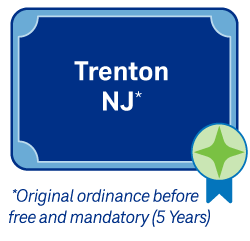
Free, mandatory and tenants or homeowners can sign

Mandatory with utility side LSLR, public funds and staff can be used for LSLR

Free, mandatory and only homeowners can sign

Mandatory with partial grants or subsidies


Required replacement on property transfer or home sale


Mandatory with no obligation for CWS to pay for the private side (but can if funds are available)

Voluntary, homeowner pays full price through a special assessment
Declaring LSL a public nuisance and replacement of LSL to be a public health benefit opening up the opportunity to utilize public funds for private side replacement


No interest construction loan


Voluntary and free program
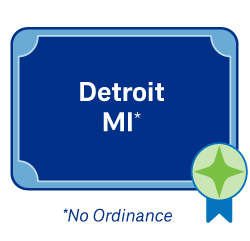
Other Resources
Rates could fund lead pipe replacement in critical states: Laws in states with the most lead service lines support the practice – Report by Harvard Law School and the Environmental Defense Fund
1
Examples of requiring LSL replacements when opportunities arise – LSLR Collaborative
2
For more resources related to lead in drinking water, visit CDM Smith’s website at - cdmsmith.com/lead
3
4
Equitable access to safe, lead-free water. It’s happening NOW.
Our Experts

Sandra Kutzing, PE, PMP

Kristin C. Epstein, PE